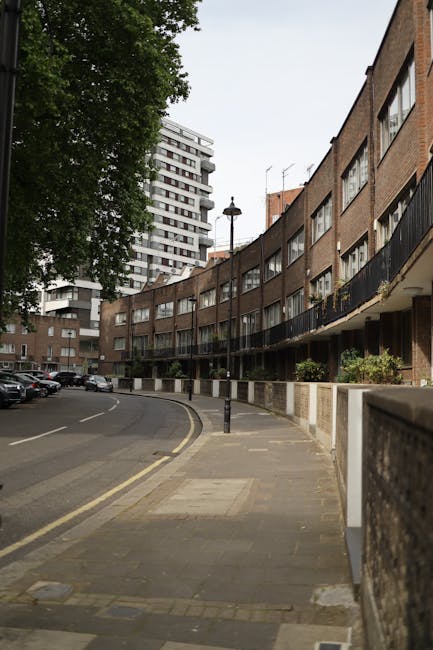
Alton Estate house removals Roehampton expert guide

Moving home around Alton Estate in Roehampton can feel deceptively simple until the practical bits begin: tight stairwells, awkward parking, heavy furniture, a last-minute box that no one can find, and the usual London question of where the van is actually going to stop. This Alton Estate house removals Roehampton expert guide is here to make the process calmer, clearer, and a lot more manageable. Whether you are leaving a maisonette, moving into a family house nearby, or handling a more complicated estate move, the right preparation makes a real difference.
Below, you will find a plain-English walkthrough of how estate removals work, what to expect, what to avoid, and how to plan in a way that saves time, stress, and unnecessary damage. We will also cover practical service options, legal and safety considerations, and a few experienced tips that tend to make a move go much more smoothly than people expect. Truth be told, a good move is usually less about luck and more about structure.
Why Alton Estate house removals Roehampton expert guide matters
Alton Estate has its own character. It is not just "another London move." Estates often bring together a mix of access quirks, shared entrances, service roads, lift considerations, and neighbours who may also be going about their day. That makes planning more important than it would be for a simple driveway-to-driveway move. If your van cannot get close enough, or if large furniture must be carried a longer distance, the whole day changes shape.
That is why a local, practical guide matters. It helps you think through the move as it really happens: from the first packed box to the moment the last lamp is set down in the new place. A smart approach also helps you choose the right support. For some homes, a full house removals service is the best fit. For others, a smaller vehicle, a flexible crew, or a simpler man and van arrangement may be enough.
There is also a trust element. A move involves your belongings, your time, and often your best furniture, photos, documents, and the things you do not want scratched, dropped, or left behind. You need a process that feels organised, safe, and transparent. Not fancy. Just competent, really.
How Alton Estate house removals Roehampton expert guide works
The practical side of a house move on Alton Estate usually follows a simple pattern, but each stage benefits from attention to detail. First comes assessment: what is moving, from where, to where, and under what access conditions? Then comes packing, lifting, loading, transport, unloading, and placing items in the right rooms. Easy to say. Much more complicated on the day if you skip the prep.
In most cases, a removals team will want to understand the volume of belongings, whether there are fragile items, and whether you need help with furniture dismantling or reassembly. If the move includes loft items, white goods, mirrors, or awkward furniture, that needs to be known early. The same applies if you need temporary holding space. A nearby storage option can be useful when completion dates do not line up cleanly or when you are reducing clutter before moving in.
Service style matters too. A full removals crew is ideal for bigger family homes, while a lighter approach can suit smaller properties, student flats, or partial moves. If you are moving from a compact property, flat removals may be the more relevant service category. For larger or mixed-use moves, a broader removal services approach can give you more flexibility.
The biggest mistake people make is treating removals as a single task. It is actually a chain of smaller tasks. Break one link and the rest feels harder. Simple as that.
Key benefits and practical advantages
When Alton Estate removals are handled well, the benefits show up immediately. The move feels less rushed, furniture arrives in better condition, and you spend less time firefighting small problems that should have been anticipated. There is also the hidden benefit of peace of mind. Once you know the plan is realistic, you can focus on the emotional side of moving rather than the logistics panic.
- Better access planning: Estating parking, stair access, and walk distance early helps prevent delays.
- Safer lifting: Larger wardrobes, sofas, and appliances are less likely to be damaged when handled by people used to moving them.
- Less disruption: A timed plan keeps the move from spilling over into the evening.
- More suitable vehicle choice: You can match the job to the right van or truck rather than forcing everything into one option.
- Cleaner unpacking: Boxes labelled properly save you from that dreaded first-night rummage for bedding and kettle leads.
There is another advantage people overlook: a structured move tends to reduce arguments. It sounds minor, but on moving day everyone is tired, and people get touchy when they cannot find a box of chargers or the cutlery. A clear plan keeps the mood steadier. That matters more than it should, but it really does.
If you want a wider starting point, a general home moves service can help you frame the job properly before you choose the exact moving setup.
Who this is for and when it makes sense
This guide is for anyone moving in or out of Alton Estate who wants a realistic plan rather than guesswork. It is especially useful if your move includes stairs, limited access, family furniture, or a strict timeline. It is also relevant if you are comparing different moving styles and trying to work out whether a large crew, a smaller van, or a hybrid service is the better decision.
You may find it especially useful if you are:
- moving from a flat or maisonette with shared access
- downsizing and need to decide what stays, what goes, and what is stored
- moving with children and want the day to feel less chaotic
- handling a same-day handover or tight completion window
- moving a mix of household goods and bulky furniture
- trying to avoid damaging walls, bannisters, or door frames in a tight property
For smaller, lighter jobs, a man with van option may be all you need. For jobs where load size is uncertain, a slightly larger removal van can provide breathing room. And if you are moving a business base rather than a home, you would naturally look at commercial moves instead.
When does it make sense to book help rather than DIY? Usually when the second-hand risk starts rising: awkward items, poor parking, multiple trips, tired friends, or a deadline that will not wait. That is the line, more often than not.
Step-by-step guidance
Here is the simplest way to organise an Alton Estate move without losing your mind halfway through.
- Walk the property first. Check every room, cupboard, loft space, under-bed storage, and shed. You would be surprised how often an "empty" room still hides half a move.
- List the heavy items. Sofas, beds, chests of drawers, wardrobes, appliances, pianos, and anything fragile or unusually shaped should be flagged early.
- Decide what travels and what does not. It is easier to sell, donate, or arrange furniture removals for surplus pieces before moving day than to manage them at the kerbside while the van is waiting.
- Choose packing support. Good packing is half the battle. If you want help, packing and boxes support can reduce damage and make room labelling far clearer.
- Confirm access details. Parking, entry points, lift use, and any time restrictions should be checked in advance. A few minutes of planning can save a lot of huffing and puffing later.
- Book the right vehicle and crew. Size should reflect the volume and access, not just the cheapest option on paper.
- Prepare an essentials box. Put kettle, charger, toiletries, snacks, medication, documents, and a change of clothes in one clearly marked box.
- Set room labels. "Kitchen," "main bedroom," "kids' room," "living room," and "fragile" are simple labels, but they work.
- Do a final sweep. Check windows, meter readings, behind doors, inside drawers, and the back of cupboards before the last load leaves.
If you want help both at the beginning and end of the process, packing and unpacking services can make a surprisingly big difference. It is one of those things you only fully appreciate after a move, when the new place is full of boxes and your tea has gone cold.
Expert tips for better results
Small improvements make a real difference on estate moves. A few experienced habits can save both time and money.
- Pack by weight, not just by room. Keep books in smaller boxes and lighter household items in larger ones. Nobody wants a box that feels like a brick.
- Photograph cable setups. Before unplugging TVs, routers, or sound systems, take a quick picture. It takes seconds and saves the later "which lead was this?" moment.
- Protect corners and surfaces. Door frames and banisters are often the first to suffer in narrow moves.
- Leave a clear path. Even a tidy property becomes awkward if hallway clutter narrows movement on loading day.
- Keep valuables with you. Passports, jewellery, keys, and essential paperwork should not disappear into the general load.
One practical observation from many estate moves: the shorter the walk from door to vehicle, the better the whole day feels. If the vehicle cannot park close, the move becomes slower, noisier, and more physically demanding. So yes, access matters. A lot.
If your move is sensitive to schedule, a flexible same day removals option may sometimes be the right choice, especially when dates shift at the last minute. Not ideal in every case, but useful when life decides to improvise.
Common mistakes to avoid
Most moving problems are boringly predictable. That is good news, because predictable problems are easier to prevent.
- Underestimating how much you own. People often forget shed items, loft boxes, and that "one cupboard" full of random bits.
- Booking the wrong vehicle size. Too small and you need multiple trips; too large and you may pay for unused capacity.
- Leaving packing until the final evening. There is a special kind of regret that arrives at 11:30pm with a half-open suitcase.
- Not checking building access. Lifts, entry codes, and parking constraints can change the whole logistics picture.
- Forgetting to label fragile items clearly. Vague labels lead to vague handling, which is not what you want.
- Ignoring disposal and recycling. If you are leaving things behind, make sure they are handled responsibly rather than abandoned in a rush.
It also helps not to treat every mover the same. A professional team, a small local van service, and a larger truck hire solution each suit different jobs. If you need a broader, more general move, you may compare against removals and related options rather than locking in too early.
And yes, the classic mistake: someone says, "we can probably do it in two car loads." Famous last words.
Tools, resources and recommendations
You do not need a warehouse full of gear to move well. But a few basic tools and sensible services make life easier.
- Strong boxes: Use the right box for the right item type. Overloading flimsy boxes is asking for trouble.
- Packing tape and markers: Good labels speed up the whole move.
- Blankets and wraps: Helpful for wood furniture, mirrors, and table surfaces.
- Furniture tools: Basic screwdrivers and Allen keys are useful for beds, shelving, and modular furniture.
- Moving vehicle choice: Depending on scale, a moving truck or a smaller van can be more suitable.
For people moving out of a larger property, the broader removal companies landscape can be worth comparing, but look carefully at what is actually included. The cheapest quote is not always the best value if it leaves out labour, packing help, or proper handling for awkward items.
If you have difficult access or bulky furniture, a more tailored man with van or vehicle-based arrangement can sometimes fit better than a standard one-size-fits-all booking. Keep it practical. That is the trick.
Law, compliance, standards, or best practice
For a domestic move, the main compliance concerns usually sit around safety, insurance, and sensible handling rather than complex regulation. A reputable mover should be able to explain how they manage items safely, what cover applies, and how customer belongings are protected during loading and transport. If that conversation feels vague, keep asking questions.
Good practice normally includes:
- clear communication about access and item size
- careful lifting and carrying methods
- protection for floors, corners, and furniture where needed
- appropriate insurance and safety procedures
- respectful handling of customer property and premises
You can also review practical company policies such as insurance and safety and the health and safety policy if you want a better sense of how the service operates. For many readers, that reassurance is worth more than a polished sales pitch.
Environmental care matters too. If you are discarding or passing on furniture, checking the provider's approach to recycling and sustainability is a sensible move, especially in a city where waste handling should never be treated casually.
Options, methods, or comparison table
Choosing the right moving method is usually about scale, access, and how much help you want on the day. Here is a simple comparison.
| Option | Best for | Main advantage | Watch out for |
|---|---|---|---|
| Full house removals | Family homes, larger inventories, tricky furniture | Most complete support, less physical strain | May be more than you need for a small move |
| Man and van | Smaller homes, partial moves, flexible jobs | Good for lighter loads and adaptability | Not always ideal for very large furniture volumes |
| Removal van or truck hire | Moves where vehicle space is the main issue | Useful when transport capacity matters most | You still need to manage loading and unloading well |
| Packing support | Busy households, fragile items, time-poor moves | Reduces damage and speeds up unpacking | Needs early planning to be worthwhile |
| Storage | Delayed completions, downsizing, staggered moves | Creates breathing room between old and new homes | Needs organised labelling and inventory control |
In practice, many people blend two options. For example, they may use a removal van plus packing support, or a larger domestic moving service plus short-term storage. That mixed approach is often the sweet spot.
Case study or real-world example
Here is a realistic example. A couple moving from an Alton Estate flat had a modest amount of furniture, but they also had a bicycle, a dismantled bed, several book boxes, and a few oddly shaped items that were too awkward for ordinary cars. The challenge was not huge volume. It was access and timing.
They started by sorting what would go, what would be stored, and what could be donated. They booked help through a smaller moving arrangement rather than a full-scale oversized vehicle. The key win was preparation: every box was labelled, the bed frame was dismantled in advance, and an essentials bag was kept separate. Because the route from the property to the vehicle had been checked beforehand, the loading process was smooth rather than chaotic. A bit of patience, a couple of sensible decisions, and the day stayed manageable.
What made the difference? Not luck. Just good planning and honest thinking about the actual move, instead of the imagined one. That is usually how it goes.
Practical checklist
Use this checklist as your final pre-move reset.
- Confirm moving date and arrival window
- Check parking, access, and any building restrictions
- Measure large furniture and doorways
- Decide whether you need packing help
- Set aside essentials, documents, and valuables
- Label boxes clearly by room and fragility
- Protect mirrors, screens, and breakables
- Separate items for storage, disposal, or donation
- Take meter readings before leaving
- Do a final sweep of cupboards, lofts, and under beds
If you are unsure which service level fits your move, a broader route through house removalists can help you compare support levels and settle on the right approach. And if the move is particularly tight for time, you might also review pricing and quotes so you can match budget to actual needs, not hopeful guesses.
Get a free quote today and see how much you can save.
Conclusion
Alton Estate house removals do not need to become a source of stress. With the right planning, a clear view of access, sensible packing, and the right moving option, the whole process becomes much more manageable. The real goal is not just getting items from A to B. It is getting them there safely, on time, and without turning moving day into a small disaster.
If you take one thing from this guide, let it be this: think in stages, not in panic. Confirm the access. Sort the boxes. Choose the service that matches the job. The rest usually falls into place more neatly than you expect, and that first quiet cup of tea in the new place starts to feel properly deserved.
Frequently Asked Questions
What makes Alton Estate house removals in Roehampton different from a standard house move?
Estate moves often involve shared access, parking constraints, stairwells, and longer carrying distances. That means planning matters more than in a simple house-to-house move with easy driveway access.
Do I need a full removals service or just a man and van?
It depends on how much you are moving, how heavy the items are, and how tricky access is. Smaller loads and partial moves may suit a man and van setup, while bigger homes usually benefit from full house removals support.
How early should I book my move?
As early as possible, especially if your moving date is tied to completion, tenancy changes, or school schedules. Leaving it late usually narrows your options and increases stress.
What should I pack separately for moving day?
Keep essentials with you: keys, documents, medication, chargers, toiletries, snacks, and a kettle if you are a tea-first household. It sounds obvious, but the obvious things are the ones people forget.
Can movers help with packing and unpacking?
Yes, if the service is arranged in advance. Support with packing and unpacking services can save time and reduce the chance of damage, especially for fragile or busy households.
What if my completion date changes at the last minute?
That happens more often than people like to admit. If timings are uncertain, ask about storage or flexible moving options so you are not forced into a poor decision on the day.
Is storage useful for an Alton Estate move?
Yes, particularly if you are downsizing, waiting for access, or moving in stages. Short-term storage can take the pressure off a complicated handover.
How can I avoid damage to furniture and walls?
Measure larger items, clear pathways, protect corners, and use appropriate wrapping where needed. Most damage happens when people rush narrow turns or try to move items that are too large for the route.
What should I ask before hiring a removals provider?
Ask about experience with similar moves, vehicle size, access planning, insurance, packing support, and how they handle fragile items. If the answers feel vague, keep looking.
Are there eco-friendly options for unwanted furniture?
Yes. Responsible providers should be able to discuss reuse, recycling, and disposal options. You can also check how a company approaches recycling and sustainability before you book.
What is the best way to prepare for moving day on a London estate?
Keep the route clear, label everything, confirm access, and avoid leaving packing until the last minute. London moves reward order more than optimism, if we are being honest.
How do I know if a larger vehicle is worth it?
If you have bulky furniture, multiple rooms, or limited time, the extra space can reduce the number of trips and make loading more efficient. If the move is small, a smaller van may be more practical.